At the heart of French reindustrialization
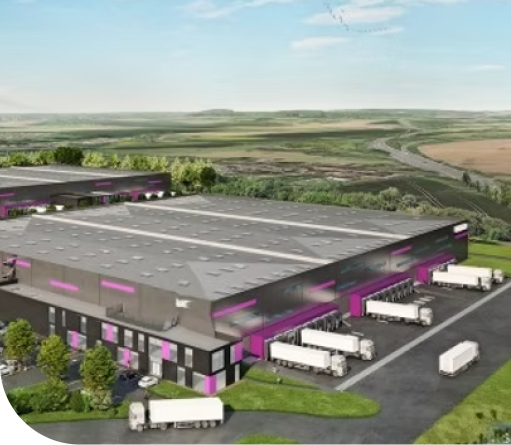
Naturopera embodies a unique and ambitious model of reindustrialization in France, highlighting values centered on Made in France, sustainability, and social innovation.
MADE IN FRANCE
AN ECOLOGICAL AND ECONOMIC OBVIOUS CHOICE
Producing in France: a committed choice. Naturopera has made the bold decision to concentrate its activities in France, thereby supporting the local economy and reducing the environmental impact associated with production and transport. For example, producing diapers in Bully-les-Mines in the Hauts-de-France region significantly reduces the carbon footprint thanks to a short, local supply chain.
BECOMING A PRODUCER,
NATUROPERA’S CRAZY BET
Faced with a striking observation
Only 10% of the diapers consumed in France are produced within the country.
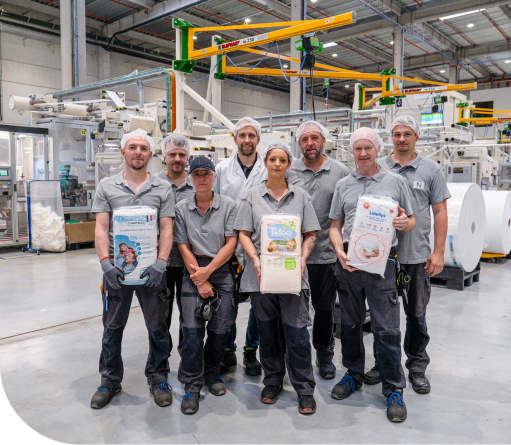
Naturopera has decided to invest in an 18,000 m² factory in Bully-les-Mines. This project represents an investment of 14 million euros, the creation of 100 jobs over three years, and an annual production of 90 million diapers.
This strategic choice reflects Naturopera’s desire to relocate essential industries and restore lost know-how.
THE INDUSTRIAL LEGACY OF DIAPERS
IN THE HAUTS-DE-FRANCE REGION
A land of industry and innovation
The Hauts-de-France region has a rich history in the production of baby diapers. The story begins before the Second World War, when Michel Desurmont, an emblematic figure in the textile industry in Tourcoing, decided to diversify his activities. His meeting with Robert Johnson, founder of the American giant Johnson & Johnson, marked a turning point. Together, they launched an innovative feminine hygiene business, laying the foundations for a vital sector.
The beginning of French diapers
In 1960, the factory in Hauts-de-France began production of mesh baby diapers, a revolutionary product at the time.
The arrival of Pascal Motte in 1966, at only 23 years old, marked a new stage in this industrial adventure. A visionary entrepreneur, he created Juvenia, the first French brand of adhesive sanitary napkins, thus strengthening the region’s position in the world of hygiene products.
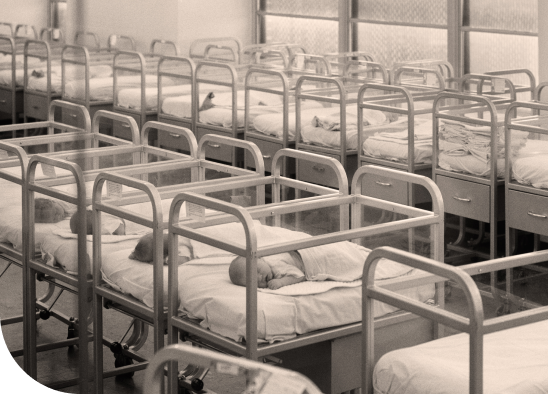
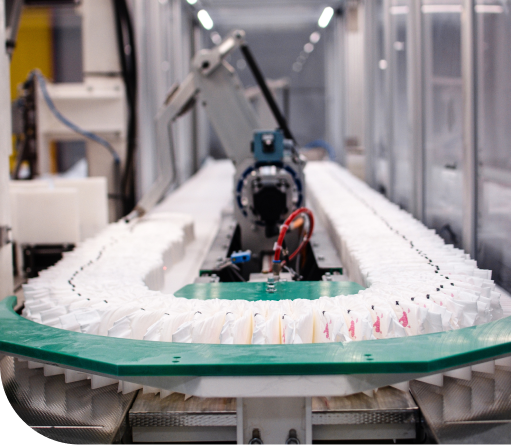
In the 1980s, the French group Celatose became an undisputed European leader. With a turnover of 1.8 billion francs, three subsidiaries, and two factories located in Wasquehal and Avignon, the company employed 2,000 people. This exceptional success testified to the dynamism and expertise of the Hauts-de-France region in the hygiene sector. Unfortunately, in the early 1990s, the abrupt closure of Celatose’s English subsidiary and increased competition jeopardized the group. Pascal Motte then left the company to join the Auchan group, marking the end of a remarkable entrepreneurial venture. The factories in Wasquehal and Avignon were dismantled, leaving a void in the regional industry.
Back to French industry
Today, at Naturopera, this industrial heritage is being reinvented to meet modern requirements for sustainability and quality.
SUPPORTING LOCAL EMPLOYMENT AND PROMOTING TALENT
At Naturopera, we place people at the heart of our industrial approach. Aware of the importance of the local socio-economic fabric, we are committed to promoting employment in the regions where we operate, particularly in Hauts-de-France.

Promoting local employment and strategic partnerships
These initiatives aim to support job seekers in finding stable and rewarding positions within our company. Our Bully-les-Mines plant, for example, represents a €14 million investment, demonstrating our commitment to boosting the local economy and creating sustainable career opportunities. SME+ LABEL

Commitment to inclusion and diversity
Recruiting experienced talent: 30% of employees recruited in Bully-les-Mines are over 50, thus valuing the experience and expertise of seniors.
Opportunities for the long-term unemployed: We offer positions to people who have been out of work, contributing to their professional reintegration and social cohesion.
Promoting diversity: We strive to build teams that reflect the diversity of society, convinced that this enriches our corporate culture and stimulates innovation.
These efforts have been recognized by the “Les entreprises s’engagent” (Companies Committed) label, awarded by the Pas-de-Calais prefecture, highlighting our commitment to inclusion and social responsibility.

A responsible and sustainable approach
This collaboration reflects our commitment to building an inclusive company where everyone has a place and contributes to our collective success.
By integrating these values into our strategy, we affirm our ambition to combine economic performance and social responsibility, while actively participating in the development of the communities where we operate.
* Supported Employment Establishments and Services
Developing the local industrial fabric
At Naturopera, we are committed to supporting the local economy by collaborating with French suppliers and building lasting partnerships with regional stakeholders. This strategic choice reflects our desire to prioritize short supply chains and actively participate in the revitalization of local areas.
Our latest innovation
The “Carryboo de nos Régions” range of baby diapers, the first ultra-local diaper, designed with ingredients from our regions
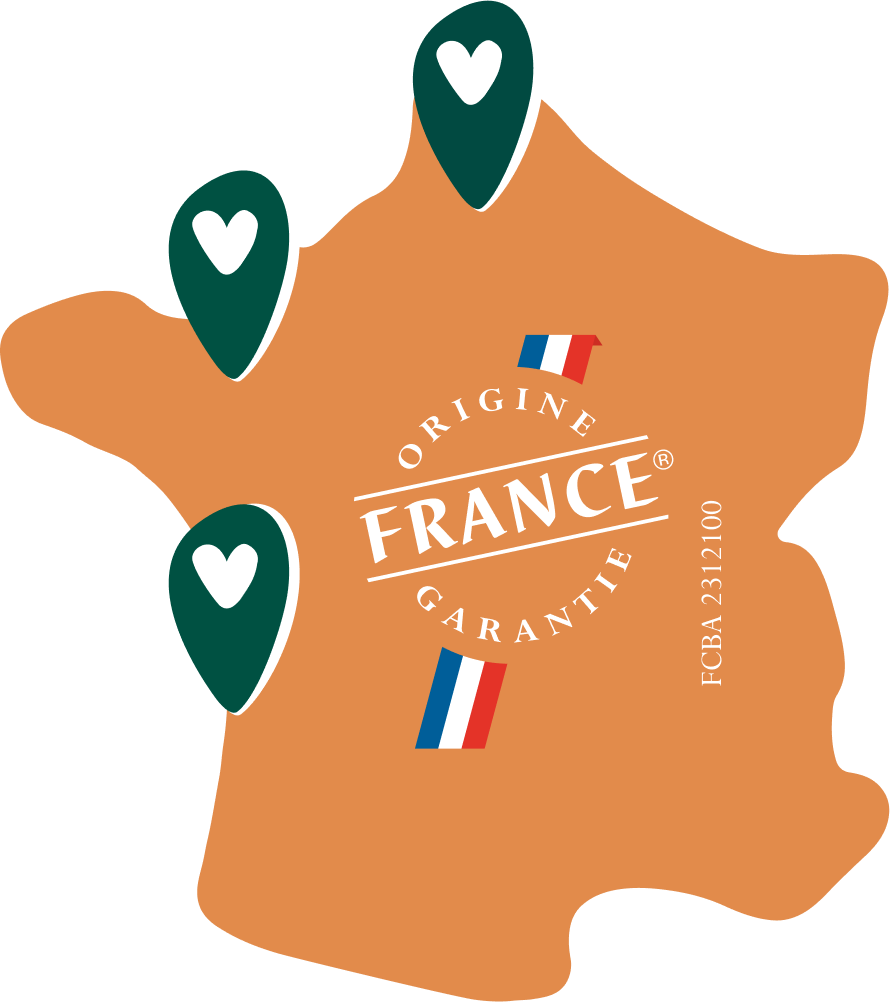
• Natural cellulose from the Landes region, recognized for its durability and traceability.
• Ultra-soft fabric made near Lille, guaranteeing comfort and safety for babies.
• Guaranteed French Origin!
Our choice to manufacture in France is more than just a label; it embodies a philosophy: to value French expertise and limit the environmental impact of international transport. Every product we make reflects our commitment to reducing our carbon footprint and promoting short supply chains, thus contributing to a more respectful and responsible production model.
Being close to our customers
At Naturopera, our customers are our top priority. By locating our production site in France, we remain close to the retailers who distribute our products and to end consumers. This proximity allows us to respond quickly to their needs, listen to them, and reduce our environmental impact. For example, as part of our e-commerce business, our diapers are shipped directly from the factory to the mailbox, thus limiting carbon emissions.